TRY TO FREE CORRUPTION ON AIP TO COMMERCIALISE AGRICULTURE
In less than five months now, winds of increase in price of fertilizer whirled across Malawi, energizing a series of discussion from different groups of citizens about the introduction of Affordable Input program (AIP). Especially, local farmers, swayed by low sources of income chanted “we cannot manage to buy even single bag of fertilizer!” ahead of the poor tobacco markets and ADMARK delay to buy maize at expected price of K150.00 per kilogram.
However, unexpected shift of fertilizer price to K27,000 flickered with the activation of the Affordable Farm Input Program (AFIP) started 2020 when the Government recommitted to save “local farmers”. Even though the government has understandably been trying to save by adding K19 500 to price let the beneficiary alone of AIP pay remaining amount of K7 500, the adverse effects of small fragments of corruption have been looming in the background and gradually compromising the projects, as local chiefs are allowing it.
But why and how?
The culture of impunity from chiefs is kicking in. Majority say the abuse of power by these hungry chiefs hugely benefits few people in area, not registered ones. In Mkwinda Village, Kasungu district, one beneficiary was wondered with the way of confirming the list when it is out. He said, usually, chiefs collect IDs of people and submit to certain group who are assigned to do the job, later you find out that a lot of IDs have missed. “When I submitted my ID, I did not get it back. And now am thinking to rework on another new ID so I should access other services knowing for sure that IDs has diverse work”. One villager reported. In 2020, another woman lost her ID in the same way and she later found it from one of the participant who was assigned to reconfirm her name. When she went to buy fertilizer the ID number detected that it has already been used by someone else. She therefore returned without buying fertilizer yet the country registered her name as beneficiary
Delivering services
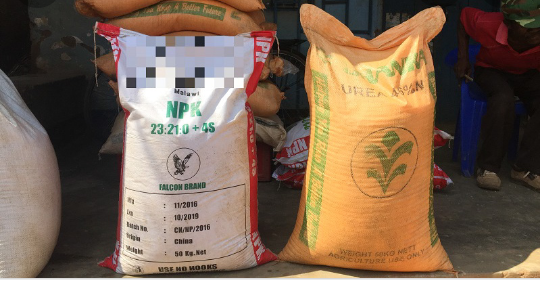
The government should also work on mode of delivering services as roots of corruption are also getting deeper in areas of buying fertilizer. Another villager explains “Every day, when almost 50 of us queue to buy fertilizer, we see vendors entering another door and quickly come out with number of fertilizer bags whilst our queue is moving at the pulse of that paralyzed chameleon in the scorching sunshine.” They found this traumatic events because government was supposed to put proper measures so that mode of delivery should be fair and fine. However, the blame goes to chiefs who are in forefront of this to make AIP beneficiaries receiving end of crumbs from the national cake. And chiefs are expected to involve in anti-corruption programmes to flee their rural areas to get decent markets. Ending corruption is good, what intervention of anti-corruption demands is important in successful project of AIP. And more important who involves in fighting against corruption. Even more important if locals and chiefs are in frontline to do more for anti-corruption.
As the wheels of anti-corruption are moving at the disappointing rate, we are all encouraged to gather every fragments of tool useful in anti-corruption to celebrate the project of AIP. But should the AIP fails do not say “AIP is no good”. We better understand that every drop of corruption we are putting along the way of this project has a power of considerations and influences that can compromise the outcomes of this projects and turned events into bitter. This problem can be addressed by start working to end this culture of impunity by chief as earlier as possible.

 Agri-information business